
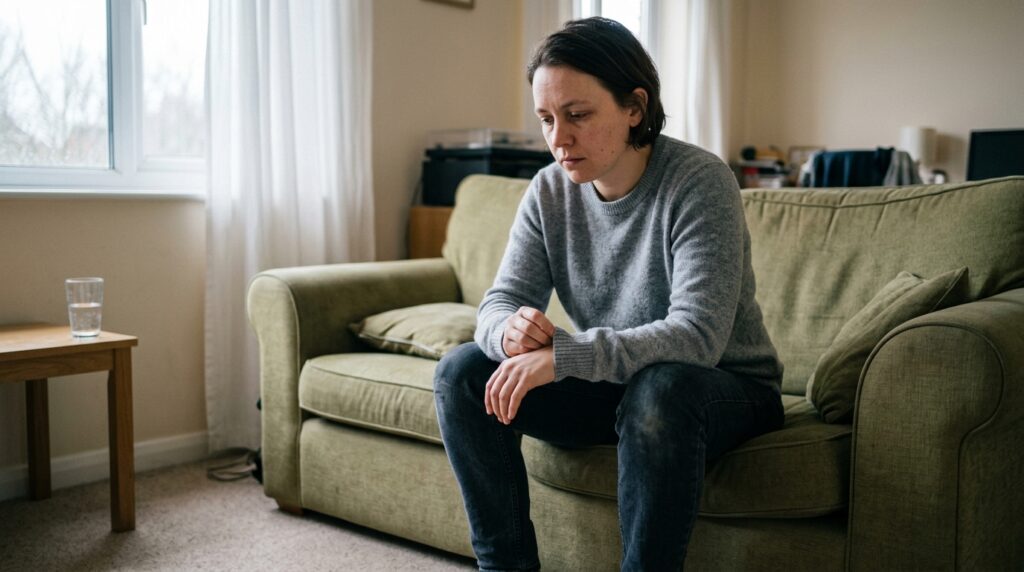
Two mental health conditions that are misunderstood and often get their treatment delayed are anxiety and depression. People do not notice its arrival as they arrive unannounced. It shows up slowly and quietly in a few extra hours of sleep, in the motivation that stops showing up, and in the worries that don’t go away like they used to.
According to the World Health Organisation, more than 1 billion people are living with mental health disorders, with anxiety and depression creating immense human and economic damages. Most people wait too long to identify these signs or reach out for support, but recognising them and getting them treated early can change outcomes.
You will understand what the early signs of anxiety and depression look like, how to tell them apart, when symptoms become severe, and when to get medical help. This is a starting point for you to understand what this mental health concern is.
Understanding the Difference Between Anxiety and Depression
Many people don’t know the difference between anxiety and depression. Anxiety is described as a condition where a person is in a constant state of fear, worry, or dread that does not match the actual level of threat. The important difference from everyday worry is that it becomes a disorder where fear is persistent and interferes with daily life.
It tends to feel future-focused, where worry is related to:
- What might happen
- Thing of worst cases
- Face difficulty in overcoming it
The nervous system is in a near-constant state of alertness, even when there is nothing threatening present.
On the other hand, depression is defined by continuous low mood, loss of interest, or emotional emptiness that remains beyond normal sadness. Its difference from everyday sadness is that it is separate from regular mood changes. Symptoms last most of the day for at least two weeks.
It feels like a person is stuck in the past. The affected people are in a constant state of:
- Hopelessness
- Flatness
- Disconnection from things that they used to enjoy.
A question arises whether people have both these symptoms at the same time. The short answer is yes, as it is common. The thing is, anxiety and depression are more connected than they might look, and they commonly occur together.
A person can experience persistent worry and low mood simultaneously, where one does not cancel out the other. Having both is not a sign of failure or weakness; it simply means both need to be addressed in treatment.
Simple Comparison Table:
| Signs | Anxiety | Depression |
|---|---|---|
| Core feeling | Fear, dread, worry | Sadness, emptiness, numbness |
| Mental focus | Future threats, worst cases | Hopelessness, past regrets |
| Energy | Restless, on edge, tense | Low, exhausted, unmotivated |
| Sleep | Difficulty falling asleep | Sleeping too much or too little |
| Common overlap | Fatigue, concentration problems, withdrawal | Fatigue, concentration problems, withdrawal |
Early Signs of Anxiety
Anxiety symptoms often begin slowly as they are easy to dismiss as stress, tiredness, or a difficult period. The difference between normal anxiety and an anxiety disorder is how constant and intense it is, as well as how it impacts daily functioning.
Emotional and Mental Signs
The emotional and mental signs of anxiety are:
- Persistent and uncontrollable worry: Worry that does not go away even when one knows it is disproportionate. A constant and uncontrollable unease, often about everyday issues, is among the most common early signs of anxiety.
- Overthinking about worst-case scenarios: Replaying past conversations, imagining worst-case outcomes, and having difficulty making decisions.
- Restlessness and inability to relax: A constant feeling of being “on edge”, where a person cannot sit still, and cannot enjoy beautiful moments because the mind keeps running.
- Irritability: Snapping at people over small things, feeling easily overwhelmed by minor inconveniences, which is often not recognised as an anxiety symptom.
Difficulty concentrating: When thoughts feel jumbled up, or making decisions take more effort than it should, it means that mental health could be playing a role.
Physical Signs of Anxiety
This is important as many people first notice anxiety in their body before they find it emotionally. The physical factors of anxiety include a racing heartbeat, sweating, trembling, or shortness of breath.
Apart from that, there are additional physical signs that are:
- Muscle tension
- Chest tightness or pressure
- Shallow or rapid breathing
- Digestive problems
- Fatigue despite not being physically active
- Sleep disturbance
If you know someone who is repeatedly experiencing physical symptoms for which doctors find no medical explanation, emotional health is worth exploring.
Early Signs of Depression
The thing about depression is that it is often described as a mood disorder, but in truth, it is more accurately a whole-body experience that changes how a person thinks, feels, and functions.
Early signs of this mental health disorder are frequently dismissed as laziness, moodiness, or tiredness, which is one of the reasons why people delay seeking help.
Emotional and Behavioural Signs
People who are affected by depression face:
- Constant low mood or sadness: A heaviness or flatness that does not lift after a few days. It is not necessarily related to crying; sometimes it is just a general sense that nothing feels right.
- Loss of interest or pleasure (anhedonia): Loss of pleasure or interest in activities for long periods of time is one of the defining features of depression. Activities, hobbies, relationships, and things that previously brought enjoyment start to feel pointless or tiring.
- Withdrawal from others: Declining invitations, not responding to messages, feeling like being around people requires more energy than is available.
- Feelings of worthlessness or excessive guilt: An internal critic that becomes relentless. One starts replaying mistakes, feeling like a burden to others, and struggling to see personal value.
- Hopelessness: A sense that things will not improve, not as a far away thought but as a constant, settled surety that the future holds nothing better.
Difficulty making decisions or concentrating: Even small decisions feel unequally difficult. With depression, work or study performance often declines early as a result.
Physical Signs of Depression
Depression is not just related to emotions; it affects your body as well. Early physical signs may include changes in appetite, and these physical changes may show up first, for example, changes in appetite, sleep disturbance, unexplained physical pain, slowed movement and speech, as well as continuous fatigue.
Depression doesn’t always look the same for everyone, and gender often plays a hidden role in whether it gets found. Men may be less likely to talk about this health concern and seek help for their negative feelings. This puts them at greater risk of their depression symptoms being undiagnosed and undertreated.
On the other hand, women are more commonly diagnosed, which may partly reflect differences in help-seeking behaviour.
Men are more likely to show depression through irritability, anger, increased substance use, or physical complaints rather than visible sadness.
Why Early Recognition Matters
One of the most consistent findings in mental health research is that the earlier anxiety and depression are checked and handled, the better the outcomes are going to be.
Yet most people wait years between the first symptoms appearing and first seeking help not because they do not want support, but because the early signs are easy to rationalise away.
1. Milder symptoms respond more readily to treatment
Mild symptoms can benefit from low-risk interventions like therapy and lifestyle changes. The longer symptoms remain without support, the deeper patterns of thinking and behaviour can become. This can make treatment longer and harder.
Catching anxiety and depression early means more options, gentler interventions, and faster recovery for most people.
2. Untreated anxiety and depression carry real costs
According to the World Health Organisation, depression and anxiety alone cost the global economy an estimated US$1 trillion each year, largely from lost productivity, but the human cost to individuals and families is far greater.
Untreated depression significantly increases the risk of physical health conditions, relationship breakdown, and, in serious cases, suicidal thoughts. Untreated anxiety disorders tend to worsen with the passage of time, often increasing to include more triggers and more avoidance behaviours.
3. Stigma decreases when people act early
The truth is, finding help at the first signs, rather than waiting for a crisis, normalises mental healthcare the same way visiting a doctor for a physical symptom is handled.
Early recognition also helps reduce stigma, as when people see anxiety and depression as real medical conditions that can be treated, they are more likely to reach out for support.
When Should You Seek Help?
This is the question most people want an answer to, and the honest response is to get the help earlier. One does not need to wait until they are in crisis to seek help; early support can prevent anxiety or depression from worsening. One can find help if:
- Symptoms have continued for two weeks or more, not a single bad day, but a pattern that has settled in.
- Health disorders are interfering with daily life, such as work, relationships, sleep, appetite, or the ability to enjoy things that were previously enjoyed.
- They are using substances (alcohol or other drugs) more than usual to cope with how they feel.
- They have noticed themselves withdrawing from friends, family, work, or activities in a way that feels wrong.
- They are having thoughts of harming themselves or feelings that life is not worth living. In that case, they should seek help immediately, not eventually.
- Someone who knows them well has expressed concern about changes they have noticed; other people often see the signs before we do.
- They simply feel that something is not right, even without being able to name it clearly.
The two-week period is a meaningful start as it is the clinical measure used by health professionals to identify a reaction to a difficult event from the beginning of a disorder. This certainly does not mean waiting two weeks before doing anything. One can talk to a trusted person or contact a helpline the moment things start to feel heavy.
If one is having thoughts of suicide or self-harm, then do not wait; contact a crisis line, go to an emergency room, or tell someone immediately.
What to Expect When You Seek Help?
One reason people delay seeking help is fear of the unknown, as not knowing what seeing a professional actually involves, or what they might be told, makes them feel uneasy.
The first point of action for most people is contacting a family doctor or general practitioner. The GP will ask about symptoms, how long they have been going for, and how they are affecting their daily life.
They may use a brief screening tool, such as the PHQ-9 for depression or GAD-7 for anxiety, which are simple questionnaires, not tests to pass or fail. Based on this consultation, they may recommend therapy, medication, a referral to a mental health specialist, or a combination of all.
Talk therapy, such as cognitive-behavioural therapy (CBT), may help one see and change unhelpful thinking patterns and behaviours. CBT is one of the most highly researched and effective treatments for both anxiety and depression globally.
Other approaches include acceptance and commitment therapy (ACT), interpersonal therapy, and mindfulness-based therapy. Therapy can be accessed in person, by phone, or online. Telehealth has hugely expanded access globally, making consultations easier for many individuals.
Some people may benefit from prescription medications, which can help balance brain chemicals linked to mood and anxiety. Medication is not required for everyone, but for moderate to severe symptoms, it is often an important part of treatment.
Self-care treatments are also proposed that include:
- Regular physical activity
- Consistent sleep routine
- Reducing alcohol
- Staying connected with trusted people
- Limiting news and social media if they are contributing to anxiety
Frequently Asked Questions
Q1: What are the first signs of anxiety and depression?
Early signs of Anxiety Disorder include constant worry, restlessness, irritability, and trouble sleeping. For Depression, common early symptoms are low mood, loss of interest, fatigue, and social withdrawal. Physical symptoms like headaches or appetite changes can also appear. If symptoms last more than two weeks, consider seeking professional help.
Q2: Can you have anxiety and depression at the same time?
Yes, it’s common to experience both Anxiety Disorder and Depression together. They often overlap, especially during stressful periods, and can be treated effectively with the right support.
Q3: How long should I wait before seeking help?
You don’t need to wait, as support can be helpful at any time. However, if symptoms continue for two weeks or start affecting daily life, it’s important to speak with a mental health professional.
Q4: What is the difference between sadness and depression?
Sadness is a temporary emotional response that usually fades with time. Depression is longer-lasting, often without a clear cause, and affects energy, sleep, focus, and self-worth.
Q5: How do I help someone I am worried about?
Offer support by listening without judgment and expressing concern. Encourage them to seek professional help and avoid dismissive phrases. Small, empathetic conversations can make a big difference.
Conclusion
Anxiety and depression rarely arrive all at once. They build slowly, in patterns that are easy to dismiss until they are harder to ignore. The signs covered in this article are worth taking seriously, not because they mean something is permanently wrong, but because they are your mind and body signalling that support would help.
You do not need to be in crisis to deserve support. Mild symptoms that are noticed and addressed early are far easier to work through than the same symptoms left unattended for months or years.
If anything in this article resonates with what you or your loved ones are going through right now, please reach out to a friend, a doctor, or a helpline. In the US, call or text 988. In the UK, call 116 123 (Samaritans). Internationally, visit findahelpline.com to find your country’s crisis support line.
Keep visiting WellUdigital for healthful insights and tips.