
In our hyperconnected society, technology is a vital part of our daily lives. Smartphones, computers, tablets, smart watches, and social media platforms are all vying for attention from the moment people wake up until the moment they go to sleep. There is no denying that technology has made communication easier, increased access to information, and improved convenience in many ways. But this always-on connectedness comes with a hidden cost.
With frequent notifications, business emails, social media updates, and the obligation to be online 24/7, many can feel overwhelmed. As screen time continues to rise worldwide, there is an increased concern about how technology affects mental health.
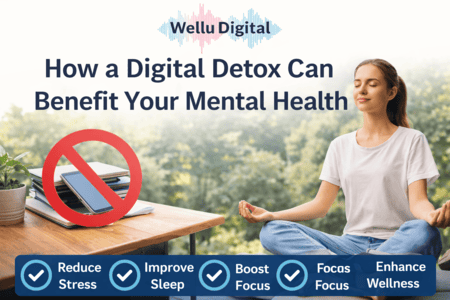
This growing awareness has led many people to undertake a Digital Detox to create balance and improve well-being. Consciously unplugging from digital gadgets can reduce stress, increase focus, establish stronger connections, and improve overall mental health.
What is a Digital Detox?
A Digital Detox is a period of time during which an individual actively refrains from using digital gadgets like cellphones, computers, tablets, and social media sites.
We are not trying to get rid of technology. The goal is to set better boundaries and reduce our dependence on constant digital stimulation.
A digital detox can come in many different forms, including:
- Less social media use
- Turn off unnecessary notifications
- No screens after dark
- Technology-free weekends
- Designated times in the day to be device-free
- Participating in more offline activities
Whatever the length of time, a couple of hours, a day, or even a week, digital detoxing is a terrific method to bring people back to the moment and to their own mental well-being.
Digital Overload — A New Challenge for Mental Health
Tech is meant to pull you in and keep you there. All these social networking sites, all the texting apps, the streaming services, the online news feeds. They’re always feeding us fresh stuff. So it’s hard to get away.
These tools are great, but overuse can lead to several mental health issues, including:
- Increased pressure
- Feeling anxious
- Sleep disturbances
- Trouble concentrating
- Information overload
- Exhausted spiritually
- Decreased productivity
The brain is not designed to deal with an unlimited influx of information without intervals. People can become cognitively drained and emotionally overwhelmed from being connected all the time.
That’s why Digital Detox is gaining popularity as a strategy to improve mental health and lessen the negative consequences of excessive screen time.
Decreases Stress and Anxiety
One of the largest instant benefits of a Digital Detox is to reduce tension and anxiety levels.
There’s so much pressure to reply to messages, emails, and notifications instantly. The expectation of constantly being available may create a heightened degree of mental attentiveness that inhibits relaxation.
Social media can also increase anxiety when users read negative news, online fights, and inaccurate depictions of others’ lives.
People can disconnect from digital devices and:
- Reduce information overload
- Reduce distraction
- Less stress
- Improve emotional balance
- More real life in your everyday life
You can also take little breaks from technology to help calm your mind and get a sense of relief from digital demands.
Improves Sleep Quality
One of the most prevalent effects of excess screen time is poor sleep.
Many people spend hours of their day on social media or watching films before they go to bed. Unfortunately, blue light from displays can interfere with the body’s natural sleep rhythm.
Late-night screen time can:
- Decrease melatonin production
- More difficulty falling asleep
- Lower sleep quality
- Increased daytime somnolence
A Digital Detox can assist in improving sleep, with better habits at night.
The advantages include:
- Quicker to fall asleep
- Improved sleep quality
- More energy
- Better mood
- Enhanced cognitive performance
One of the easiest and most successful digital detoxes is to develop a nightly routine with no screens.
Enhances Focus & Concentration
In a world of digital distractions, it’s hard to concentrate.
Notifications, e-mails, text messages, and social media updates can interrupt concentration and make demanding work harder.
Research has demonstrated that frequent task-switching might result in reduced efficiency and more mental fatigue.
A Digital Detox helps you focus by:
- Minimise distractions
- Helping you stay focused longer
- Encouraging higher-order thinking
- Increase productivity
- Better problem-solving skills
Many people find they can accomplish more in less time when they spend less time reacting to notifications.
Improves Emotional Health
Social media sites are conducive to comparison.
We are assaulted by selective photographs and highlighters from other people’s life. This might lead to erroneous expectations and feelings of inadequacy.
This phenomenon can result in:
- Low self-esteem
- Anxiety
- Isolation
- Low self-image
A Digital Detox allows you to step away from these comparisons and focus your attention on your own improvement and acceptance.
Many people say they do:
- Greater self-confidence
- Good spirits
- Reduced emotions of inadequacy
- Development of self-awareness
They may compare themselves to others less online and have a stronger relationship with themselves.
Enhances Personal Relationships
Technology keeps us connected, but sometimes too much time on devices can come at the expense of real-life relationships.
A lot of families and friends gather together, yet at the same time, remain focused on their phones.
A Digital Detox helps people be more present with the people they’re with.
Among the benefits are:
- Better communication
- More in-depth conversations
- Stronger family bonds
- More emotional involvement
- More satisfaction with the partnership
If you invest energy in your relationships, chances are you’ll find them to be more abundant and fulfilling.
Encourages Self-Reflection and Mindfulness
One of the greatest missed benefits of a Digital Detox is the capacity to be alert.
We are always consuming digital things that we don’t have time to sit quietly and think.
A vacation from technology means we can do things such as:
- Meditate
- Writing a diary
- Literacy
- Going for hikes in nature
- Arts-and-crafts hobbies
- Self-examination
These activities help to reduce stress, increase emotional awareness, and mental clarity.
The mindfulness skills you acquire during a digital detox can continue to enhance your mental health well after the detox period.
Encourages a Healthier Work-Life Balance
Digital communication tools and remote work have blurred the boundaries of work and home life.
Employees feel the obligation to be available outside of hours, adding to burnout and chronic stress.
A Digital Detox can help people re-establish stronger boundaries. People can disconnect from work-related contacts during personal time.
The advantages are:
- Decreased burnout
- Better work-life balance
- Increased job satisfaction
- Improved mental wellness
- More personal satisfaction
The capacity to know when to disconnect is a key skill in today’s digital workplace.
Increases Creativity and Mental Clarity
Creativity has no place in the constant consumption of digital items.
Always scrolling through feeds or checking notifications at every spare moment leaves less opportunity for the brain to think creatively.
A Digital Detox offers the brain space to let thoughts arise naturally.
Many people find it helpful to unplug from technology:
- Be a little more outside the box
- Come up with new ideas
- Improve problem-solving skills
- Increase motivation
- Read new perspectives
Some of the most creative ideas in history have come in periods of quiet meditation and distraction-free pondering.
Easy Ways to Initiate Digital Detox
You don’t have to lose all your gadgets to start a Digital Detox.
Small changes can make a big difference.
You can imagine these techniques:
- Reduce your screen time each day
- Turn off unnecessary notifications
- No screen time at mealtimes
- Designate tech-free zones in the home
- Regularly schedule offline events
- Decrease social media
- Eliminate devices from the bedroom
- Get out more
The goal isn’t to eliminate technology, but to cultivate a healthier connection to it.
Conclusion
Technology has revolutionised the way we work, communicate, and gather information. But constant connectivity can also bring with it stress, worry, sleep difficulties, and mental tiredness.
A Digital Detox is a terrific chance to disconnect from digital distractions and do things that assist your mental and emotional well-being.
The benefits of a Digital Detox can be huge, from decreasing stress and increasing sleep to developing relationships and enhancing focus. When people have good boundaries surrounding technology use, they can use digital tools without sacrificing mental health.
With screens being a huge part of our day-to-day, intentional technology breaks could be one of the biggest steps towards improved balance, happiness, and general well-being.
For more insights, visit WellU Digital